Pathology
Pathology Sample Submission Guidelines
When submitting tissue samples, the following points should be observed:
- The surgeon should prevent the sample from being fragmented as much as possible.
- For certain samples such as breast, colon, skin, or others requiring margin assessment, the sample should be marked with a thread or label, or the margin should be clearly indicated.
- Patient details including name, father’s name, sample location, age, sex, etc., should be written on the container and pathology request form.
- Patient history and other relevant information should be included on the request form.
- Patient documents such as laboratory tests, ultrasound, CT scan, MRI, X-ray, endoscopy reports, and previous pathology results are necessary for accurate diagnosis.
- The sample container should be of adequate size so the sample can be easily placed inside and removed.
- The container should have a lid and be securely closed.
- Samples should not be sent in unusual containers such as serum tubes, syringes, open containers, or wrapped in gauze.
- All tissue samples should be placed in 10% formalin fixative.
- For testicular biopsy, Bouin’s solution is preferred.
- The amount of fixative should be enough to fully immerse the sample.
- Using diluted formalin, serum, alcohol, or other substances will damage the tissue and make pathology examination impossible.
For fluid samples:
- Fluid samples do not require fixative but must be sent immediately to the laboratory.
- If the fluid is sent with delay, it should be stored in a refrigerator until delivery, not in a freezer.
- If urine is sent from a remote location for cytology, 50% alcohol should be added in proportion to the urine volume.
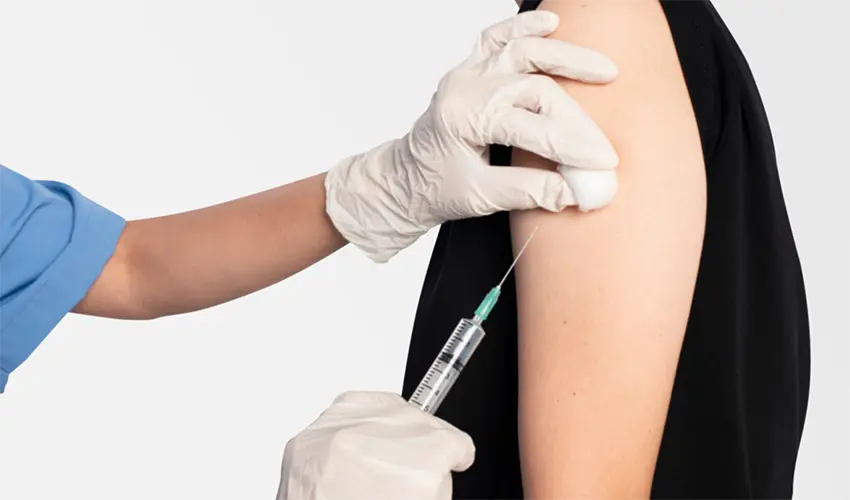
Vaccination
The Vaccination Department focuses on the prevention of infectious diseases through immunization. Vaccines stimulate the body’s immune system to develop protection against specific pathogens. Vaccination is essential for preventing outbreaks, reducing disease severity, and protecting public health.
Common Vaccines and Purpose:
-
Hepatitis B Vaccine (HBV): Protects against Hepatitis B virus infection.
-
Hepatitis A Vaccine (HAV): Prevents Hepatitis A virus infection.
-
Polio Vaccine: Protects against poliomyelitis and prevents paralysis.
-
Measles, Mumps, Rubella (MMR) Vaccine: Protects against measles, mumps, and rubella viruses.
-
BCG Vaccine: Protects against tuberculosis.
-
Influenza Vaccine: Protects against seasonal flu viruses.
-
COVID-19 Vaccine: Protects against SARS-CoV-2 infection.
-
Tetanus Vaccine: Protects against tetanus infection, especially after wounds.
Virology tests
Virology is the study of viruses and the diseases they cause. Virology tests are essential for diagnosing viral infections, monitoring viral load, and guiding treatment. Samples for virology tests may include blood, urine, saliva, or swabs from affected tissues.
-
HBV DNA PCR: Detects Hepatitis B virus DNA to monitor infection and treatment.
-
HCV RNA PCR: Detects Hepatitis C virus RNA to confirm active infection.
-
HCV Genotype: Determines the genetic type of Hepatitis C virus to guide therapy.
-
HIV Ab / HIV PCR: Detects antibodies or viral RNA for HIV diagnosis.
-
CMV PCR: Detects Cytomegalovirus DNA, important for immunocompromised patients.
-
HPV PCR / HPV Genotyping: Detects Human Papillomavirus and identifies its types for cancer screening.
-
Influenza PCR: Detects influenza viruses for rapid diagnosis of flu infections.
Histology tests
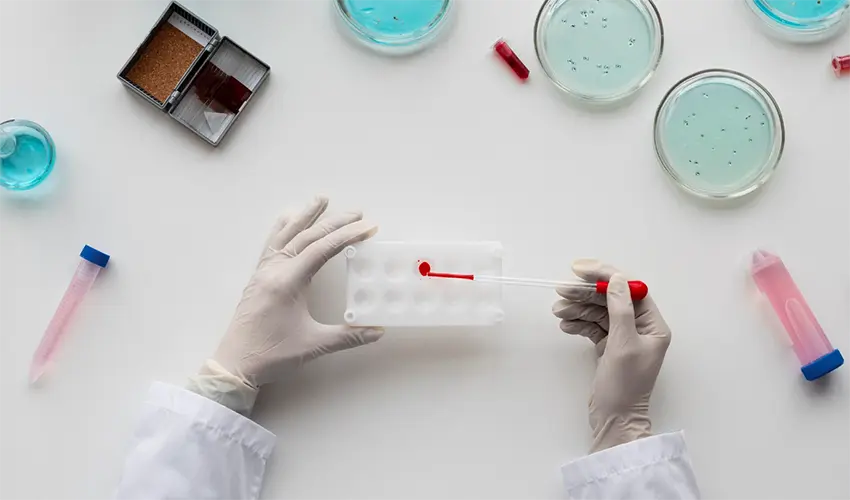
Histology is the study of tissues under the microscope to detect structural changes, disease progression, and abnormalities. Histology tests are essential for diagnosing cancers, inflammatory conditions, and other tissue-related diseases. Samples are usually collected from biopsies, surgical specimens, or organs.
-
Biopsy Analysis: Examines tissue samples to detect cancer or abnormal growth.
-
H&E Staining (Hematoxylin & Eosin): Basic staining technique to view tissue structure.
-
Special Stains (PAS, Masson’s Trichrome, etc.): Highlight specific tissue components or microorganisms.
-
Immunohistochemistry (IHC): Uses antibodies to detect specific proteins or markers in tissues.
Parasitology
This department focuses on detecting parasitic infections. It helps diagnose diseases caused by parasites, enabling early treatment and prevention.
- Leishmania (Direct Smear): Detects Leishmania parasites directly from tissue or blood samples to diagnose leishmaniasis.
- Leishmania IgG / IgM / ICT: Detects antibodies against Leishmania for serological diagnosis.
- Malaria (Direct Smear): Detects malaria parasites directly in blood smears for accurate diagnosis.
- *Stool Examination 1: Single stool sample examined for intestinal parasites.
- *Stool Examination 3: Three stool samples examined over consecutive days to increase parasite detection sensitivity.
Screening / ICT Tests
This department is dedicated to performing screening tests. Its goal is the early detection of diseases such as zoonotic infections, malaria, jaundice, blood group disorders, and rheumatic diseases in their early stages, allowing for faster prevention and treatment. Screening tests play an important role in public health and identifying asymptomatic diseases.
Screening / ICT Tests:
|
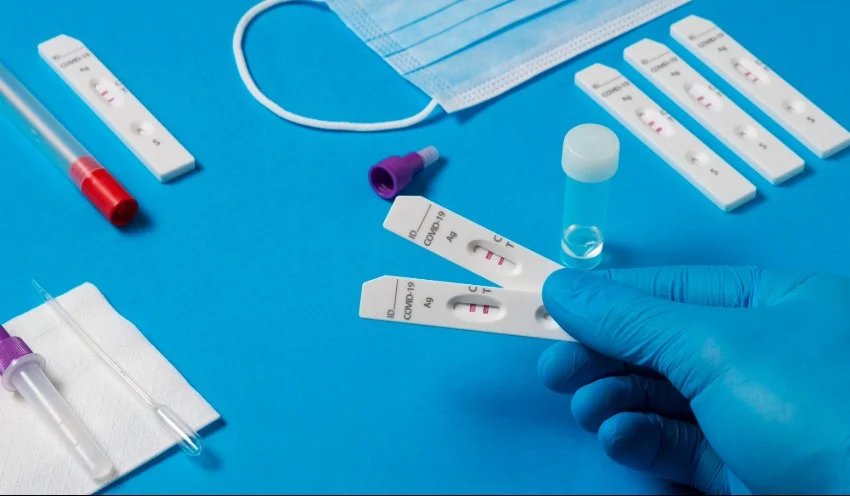
· Multi Drug 10 Panel: Detects multiple drugs in the body for monitoring and safety purposes. · Pregnancy (Serum): Detects pregnancy by measuring hormones in blood serum. · Pregnancy (Urine): Detects pregnancy through urine sample testing. · H Pylori Ag Fecal: Detects Helicobacter pylori antigen in stool to diagnose infection. · VDRL (Syphilis): Detects antibodies for syphilis infection. · Typhoid IgG-IgM: Detects antibodies for typhoid fever. · HAV IgG-IgM: Detects Hepatitis A virus antibodies to diagnose recent or past infection. · Occult Blood: Detects hidden blood in stool to screen for gastrointestinal bleeding. · TB IgG-IgM: Detects antibodies for tuberculosis. · H Pylori Ab: Detects antibodies against H. pylori infection. · Troponin I: Measures troponin levels to assess heart muscle damage.
|
· Morphine: Detects morphine in blood or urine for drug monitoring. · HBV Combo: Comprehensive test for Hepatitis B virus antigens and antibodies. · Hbs Ab: Detects antibody against Hepatitis B surface antigen. · Hbs Ag: Detects Hepatitis B surface antigen. · HBe Ag: Detects Hepatitis B e antigen. · HBe Ab: Detects antibody against Hepatitis B e antigen. · HCV Ab: Detects antibodies against Hepatitis C virus. · HBc Ab: Detects Hepatitis B core antibodies. · HIV Ab: Detects antibodies against Human Immunodeficiency Virus. · Stool Salmonella Antigen: Detects Salmonella antigen in stool for diagnosis of infection.
|
PCR
Pathology is the branch of medicine that studies the causes, mechanisms, and effects of diseases. It plays a vital role in diagnosing illnesses, guiding treatment, and understanding how diseases affect the body. Pathology includes different fields such as histopathology, cytology, hematology, microbiology, and molecular pathology.
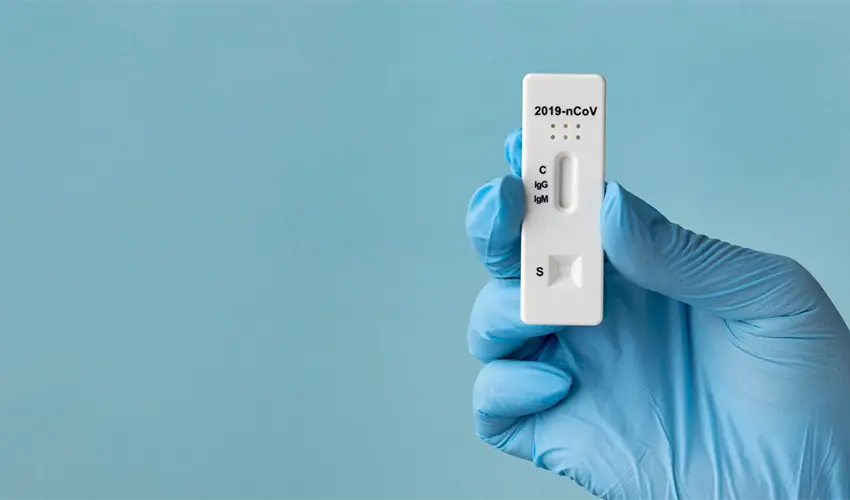
· HBV DNA: Detects the genetic material of the Hepatitis B virus to monitor infection and treatment.
· HCV RNA: Identifies and measures the Hepatitis C virus RNA to confirm active infection.
· HPV: Detects Human Papillomavirus, important in diagnosing cervical and other cancers.
· Jak2 V16f mutation: A genetic test for blood disorders such as polycythemia vera and myeloproliferative diseases.
· HCV Genotype: Determines the genetic type of Hepatitis C virus, helping to guide treatment.
· CMV PCR: Detects Cytomegalovirus DNA, important in immunocompromised patients.
· MTB PCR: Identifies Mycobacterium tuberculosis (TB bacteria) quickly and accurately.
Pathology
What is Pathology?
Pathology is a branch of medical science that studies diseases and their effects on the tissues and cells of the body. In other words, pathology examines the causes, mechanisms, and changes caused by diseases at the tissue and cellular level, and it plays an important role in diagnosis, treatment, and disease follow-up.
Types of Pathology:
Anatomical Pathology: Studies structural changes in organs and tissues, usually by examining tissue samples.
Clinical Pathology: Focuses on analyzing body fluids and other samples taken from the body such as blood, urine, stool, etc.
Clinical pathology includes subfields such as hematology, microbiology, parasitology, mycology, virology, immunology, hormonology, serology, biochemistry, quality control, molecular pathology, and genetics.
Pathologist:
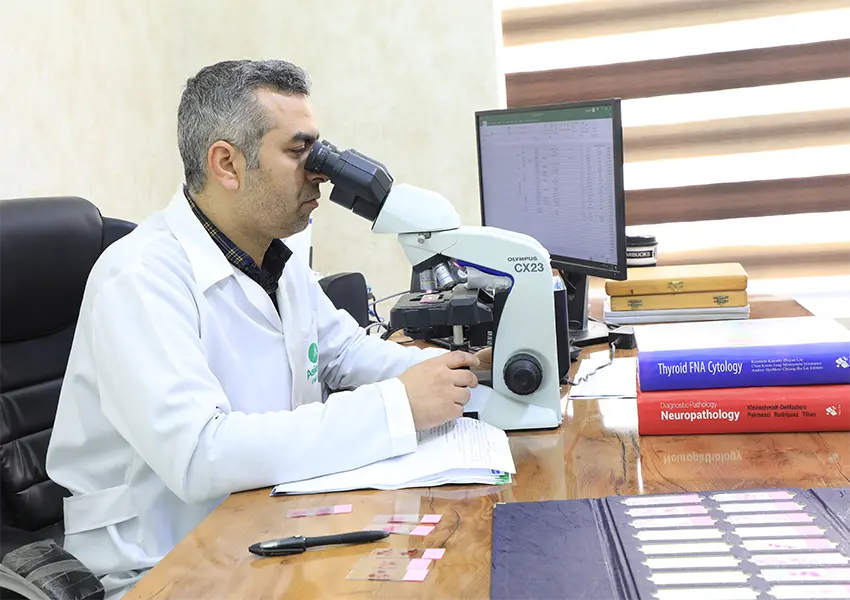
A specialist who examines tissue and body fluid samples, and with the help of laboratory instruments and microscopic techniques, assists in diagnosing diseases and cancers.
Cytology
In the cytology section, different body cells are carefully examined. These tests are used to diagnose cellular changes, infections, and the early detection of cancers (such as Pap smear).
Infectious
These tests evaluate the presence of infections, inflammation, and autoimmune responses in the body. They help diagnose bacterial infections, autoimmune disorders, and inflammatory conditions.
• Wright (Brucellosis test): Detects antibodies against Brucella bacteria.
• Coombs Wright: Detects antibodies against Brucella in serum.
• hs-CRP: Measures high-sensitivity C-reactive protein; indicates inflammation or infection.
• Widal: Detects antibodies for typhoid fever.
• ASO (Antistreptolysin O): Measures antibodies against streptococcal infections; helps detect rheumatic fever.
• 2ME (2-Mercaptoethanol test): Detects active or persistent infections like brucellosis.
• CRP (C-reactive Protein): Indicates inflammation or infection in the body.
• RF (Rheumatoid Factor): Detects antibodies linked to rheumatoid arthritis and autoimmune disorders.
Immunoglobulin
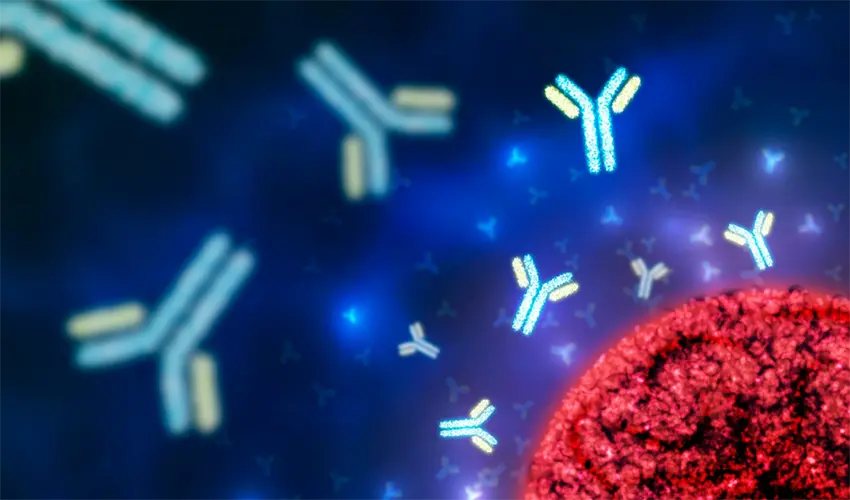
These tests evaluate the immune system and detect infections, inflammation, or autoimmune responses. They help diagnose allergic reactions, bacterial infections, and immune-related conditions.
Immunoglobulin Tests:
• IgE: Measures IgE levels in blood; helps assess allergic reactions and parasitic infections.
• IgG: Measures IgG antibodies; indicates past infections and immune memory.
• IgM: Measures IgM antibodies; indicates recent or active infections.
Autoimmune
Autoimmune tests detect antibodies in the blood that target the body’s own tissues, helping diagnose autoimmune disorders. These tests assist in identifying conditions like lupus, rheumatoid arthritis, thyroid disorders, celiac disease, vasculitis, and other immune-related diseases.
Included Tests:
|
· Anti–β2-Glycoprotein 1 IgG – IgM · Anti–Cardiolipin IgG – IgM · Anti–Phospholipid IgG – IgM · Anti–ds DNA IgG · Anti–MPO IgG · Anti–TPO IgG
|
· Anti–PR3 IgG · Anti–TTg IgA · Anti–CCP · ANA (Antinuclear Antibody) · ENA (Extractable Nuclear Antigen) |
Direct Smear for Fungi (KOH)
Mycology tests detect and identify fungal infections in various samples. These tests help diagnose skin, nail, hair, or systemic fungal infections, guiding appropriate antifungal treatment.
Included Test:
-
Direct Smear for Fungi (KOH): A sample (skin, nail, or hair) is treated with potassium hydroxide (KOH) to dissolve non-fungal material, allowing direct visualization of fungal elements under a microscope.
Body Fluid
Body fluid analysis plays a vital role in diagnosing infections, inflammations, cancers, and systemic diseases. Different fluids from the body are examined to assess cellular, chemical, and microbiological changes, helping physicians determine underlying medical conditions and guide appropriate treatment.
Included Tests:
-
CSF Fluid (Cerebrospinal Fluid): Analyzes the fluid surrounding the brain and spinal cord to detect infections (e.g., meningitis), bleeding, or neurological disorders.
-
Peritoneal Fluid: Examines fluid in the abdominal cavity to diagnose infections, liver disease (ascites), or cancer.
-
Synovial Fluid: Evaluates joint fluid to detect arthritis, gout, or infections.
-
Pleural Fluid: Analyzes fluid around the lungs to identify infections, heart failure, or malignancy.
-
Semen Analysis: Assesses sperm count, motility, and morphology; commonly used in fertility evaluation and reproductive health.
Culture & Sensitivity
Culture and sensitivity tests are performed to detect bacterial or fungal infections in different body fluids and tissues. They identify the microorganism causing infection and determine which antibiotics are most effective for treatment. These tests are essential for guiding targeted therapy, preventing complications, and reducing antibiotic resistance.
Included tests:
|
|
Infectious
These tests are used to detect viral and bacterial infections in the body. They help diagnose liver infections (hepatitis), HIV, stomach infections, tuberculosis-like infections, and other systemic infections. Early diagnosis through these markers is essential for timely treatment, preventing complications, and monitoring disease progression.
Included tests:
|
· HAV IgG/IgM: Detects current or past hepatitis A infection. · HAV IgM: Identifies recent hepatitis A infection. · HIV Combi & 2: Screening for HIV-1 and HIV-2 infection. · HDV IgG/IgM: Detects hepatitis D infection. · HBs Ag: Identifies hepatitis B surface antigen (active infection). · HBs Ab: Antibodies showing immunity to hepatitis B. · HBe Ag: Indicates active replication of hepatitis B virus. · HBe Ab: Shows recovery or inactive phase of hepatitis B. · HBc Ab Total: Total antibodies against hepatitis B core antigen. · HBc IgM: Detects recent hepatitis B infection. · HCV Ab: Identifies hepatitis C infection.
|
· Procalcitonin: Marker for severe bacterial infection or sepsis. · Brucella IgM: Detects recent brucellosis infection. · Brucella IgG: Identifies past or chronic brucellosis. · Calprotectin: Detects intestinal inflammation. · H. Pylori IgM: Identifies recent Helicobacter pylori infection. · H. Pylori IgG: Shows past or chronic infection. · H. Pylori Ag Quantitative: Detects active H. pylori in stool. · HTLV I+II: Detects Human T-cell Lymphotropic Virus infection. · EBV IgM: Recent Epstein-Barr virus infection. · EBV IgG: Past Epstein-Barr virus infection or immunity.
|
TORCH
The TORCH test is a group of blood tests that screen for infections that can cause illness in pregnant women and newborns. These infections may lead to congenital defects, developmental problems, or complications during pregnancy. The TORCH panel is especially important in prenatal care and early diagnosis.
Included tests:
-
Toxoplasma IgM: Detects recent or active infection with Toxoplasma gondii.
-
Toxoplasma IgG: Shows past infection or immunity to toxoplasmosis.
-
Rubella IgM: Identifies recent rubella infection (German measles).
-
Rubella IgG: Indicates immunity or past exposure to rubella.
-
CMV IgM: Detects recent cytomegalovirus infection.
-
CMV IgG: Shows past infection or immunity to CMV.
-
HSV I + II IgM: Identifies recent or active infection with herpes simplex virus types I & II.
-
HSV I + II IgG: Indicates past infection or immunity to herpes simplex virus.
Tumor Markers
Tumor markers are special substances, usually proteins, that are produced by cancer cells or by the body in response to cancer. These tests help in detecting, monitoring, and managing different types of cancers. While not used alone for diagnosis, they provide valuable information for treatment planning and follow-up.
Included tests:
-
Alpha-Fetoprotein (AFP): Used mainly in liver cancer and germ cell tumors.
-
Total PSA: Helps in detecting and monitoring prostate cancer.
-
CA19-9: Marker for pancreatic and gastrointestinal cancers.
-
CA125: Commonly used in ovarian cancer evaluation.
-
CA15-3: Associated with breast cancer monitoring.
-
HE4: Useful in ovarian cancer detection and management.
-
CEA (Carcinoembryonic Antigen): Related to colorectal and other cancers.
Hormone
Hormone tests measure the levels of various hormones in the body, which are chemical messengers produced by glands. These tests help evaluate growth, metabolism, stress response, reproductive health, kidney function, and overall endocrine system balance. They are essential for diagnosing hormonal disorders, guiding treatment, and monitoring therapy effectiveness.
• Growth Hormone (GH): Measures growth hormone levels in the blood; essential for body growth, muscle development, and bone health.
• Cortisol: Evaluates cortisol levels; helps assess stress response, adrenal gland function, and metabolism.
• ADH (Antidiuretic Hormone / Vasopressin): Measures ADH; important for water balance, kidney function, and fluid regulation.
• ACTH (Adrenocorticotropic Hormone): Assesses ACTH levels; helps evaluate adrenal gland function and hormonal regulation.
• IGF-1 (Insulin-like Growth Factor 1): Measures IGF-1; reflects growth hormone activity and overall growth regulation.
• EPO (Erythropoietin): Evaluates EPO levels; important for red blood cell production and oxygen delivery.
Cardiac Marke
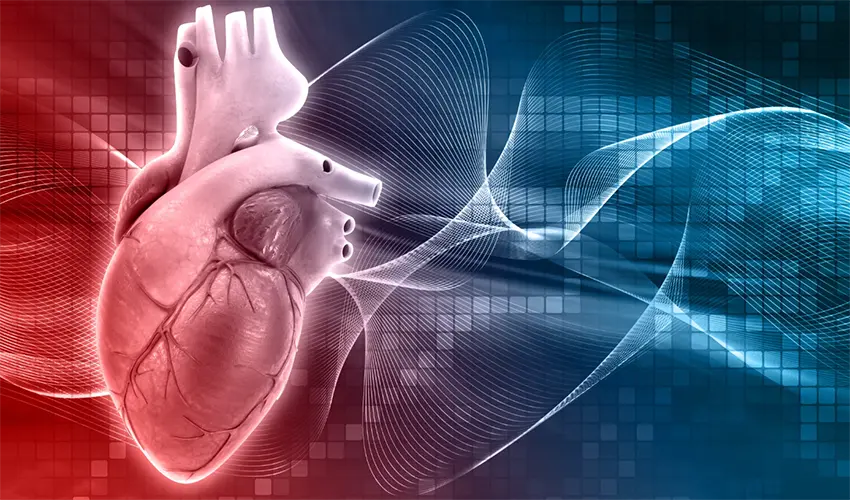
This set of tests evaluates heart muscle function and detects cardiac injury. It helps in diagnosing heart attacks, heart failure, and other cardiovascular conditions, as well as monitoring recovery and cardiac stress.
Included tests:
· NT-Pro BNP: Marker for heart failure; indicates cardiac stress.
· Myoglobin: Early indicator of muscle injury, including heart muscle.
· Troponin I: Highly sensitive marker for heart muscle damage.
· Troponin T: Detects cardiac muscle injury; critical for diagnosing myocardial infarction.
· CK-MB: Enzyme specific to heart muscle damage.
· BNP: Indicates heart failure and ventricular strain.
· CPK (Creatine Phosphokinase): Enzyme released with muscle injury; helps detect cardiac or skeletal muscle damage.
Serum Electrolytes
This panel evaluates essential minerals and electrolyte balance in your blood, helping monitor hydration status, kidney function, nerve and muscle function, and overall metabolic health.
Included tests:
-
Serum Osmolality: Measures the concentration of dissolved particles in blood; assesses hydration and fluid balance.
-
Mg (Magnesium): Essential mineral for nerve, muscle, and bone function.
-
Ca (Calcium): Important for bones, muscles, and heart function.
-
K+ (Potassium): Key electrolyte for heart and muscle activity.
-
Cl (Chloride): Maintains acid-base balance and fluid levels.
-
Na+ (Sodium): Critical for fluid balance, nerve, and muscle function.
-
Ca-ionized: Biologically active calcium; important for muscle and nerve activity.
-
Phosphorus: Mineral important for bone health, energy production, and metabolism.

Specialized Test
Specialized tests are performed to evaluate specific conditions such as fertility, metabolic anomalies, or other unique physiological markers that require targeted investigation.
Included test:
-
Semen Fructose: Measures fructose in semen; important for fertility testing.
Enzymes & Other Tests
These tests check enzyme activity, mineral levels, and other key markers to support the diagnosis of metabolic, infectious, and pancreatic disorders, as well as to monitor nutritional and immune status.
Included tests:
-
LDH (Lactate Dehydrogenase): Enzyme linked to tissue damage and cell turnover.
-
Zinc: Mineral essential for immunity, wound healing, and growth.
-
ADA (Adenosine Deaminase): Enzyme useful in tuberculosis and immune evaluation.
-
Copper: Important for blood health, bones, and nervous system.
-
Lipase: Enzyme to evaluate pancreatic function.
-
Amylase: Enzyme for pancreas and digestion assessment.
Kidney Function Tests
These tests evaluate kidney health and filtration efficiency, helping to detect early kidney damage, monitor chronic kidney disease, and assess overall renal function.
Included tests:
-
Creatinine: Assesses kidney function and filtration efficiency.
-
Urea: Waste product; high levels indicate kidney problems.
-
BUN (Blood Urea Nitrogen): Evaluates kidney and liver function.
-
Uric Acid: High levels may indicate gout or kidney disease.
-
Cystatin C: Sensitive marker for early kidney dysfunction.
-
NGAL (Neutrophil Gelatinase-Associated Lipocalin): Early biomarker for acute kidney injury.
-
β2 Microglobulin: Reflects kidney filtration and some immune disorders.
-
Micro Albumin in Urine: Detects small amounts of albumin; early kidney disease marker.
-
Creatinine Clearance: Measures kidney filtering capacity.
-
GFR (Glomerular Filtration Rate): Main indicator of overall kidney performance.
Liver Function Tests
Liver Function Tests
English
These tests assess liver and bile duct health, detect liver damage, monitor enzyme activity, and evaluate overall protein levels to support diagnosis of liver, gallbladder, and metabolic disorders.
Included tests:
|
· Bilirubin Total: Measures overall bilirubin for liver/bile health. · Bilirubin Direct: Conjugated bilirubin; shows liver excretion ability. · Bilirubin Indirect: Unconjugated bilirubin; linked to RBC breakdown. · AST (SGOT): Enzyme for liver and heart health. · ALT (SGPT): Enzyme mainly for liver function. · ALP: Related to bile ducts, liver, and bones.
|
· Gamma GT: Enzyme linked to bile duct and liver. · Total Protein: Measures protein levels in blood. · Globulin: Immune-related protein. · Albumin: Main blood protein; reflects liver/kidney health. · Ammonia: High levels suggest liver dysfunction. |